 x/health ·
Published: July 20, 2026 | Reading Time: ~8 minutes | Topic: Skin Health & Sun Protection
Picture this: You're standing in the sunscreen aisle, staring at 50 nearly identical bottles. SPF 30, SPF 50, "broad spectrum," "mineral," "chemical" — it's like reading a foreign language while the store's fluorescent lights hum overhead. You grab whatever looks familiar and hope for the best.
Here's the thing: That aisle just changed. Big time. In June 2026, something happened that hasn't happened since the late 1990s — the FDA approved a brand-new sunscreen ingredient. And it's not just any ingredient. It's one that could fundamentally change how we protect our skin, how our sunscreen feels on our face, and maybe even how many of us actually use it every day. So grab your favorite beverage, and let's unpack the sun protection glow-up of the decade. 🧴✨

On June 9, 2026, the U.S. Food and Drug Administration made history. It added bemotrizinol (pronounced beh-moe-TRY-zi-noll, or just call it BEMT like the cool kids) to the list of permitted sunscreen active ingredients.¹ This is the first new UV filter approved in the United States in over 20 years.
Why does this matter? Let me paint you a picture. For decades, Americans have been using sunscreen technology that our friends in Europe and Asia left behind. BEMT has been safely protecting skin in sunscreens across Europe and Asia since 1999.² That's 27 years of real-world use. Meanwhile, U.S. sunscreens have been stuck relying on an ingredient called avobenzone for UVA protection — and avobenzone has a dirty little secret: it breaks down in sunlight.³
BEMT is different. It's photostable, meaning it doesn't crumble when the sun hits it. It blocks both UVA rays (the aging rays that cause wrinkles and drive skin cancer) and UVB rays (the burning rays) — all on its own, without needing a cocktail of stabilizers. It has larger molecules that barely absorb into your bloodstream. And in animal studies, it showed no evidence of cancer-causing effects or reproductive harm.⁴
Oh, and one more thing: it's transparent on skin. No white cast. No ashy residue. For anyone with melanin-rich skin who's been frustrated by mineral sunscreens that make you look like a ghost, this is genuinely game-changing.⁵
🧠 The Bottom Line: BEMT is photostable, broad-spectrum, minimally absorbed, non-irritating, and invisible on skin. It's the upgrade American sunscreen has been waiting for since the dial-up internet era.
Your Actionable To-Do:
Here's a plot twist: The future of skin aging might be found in your kitchen, not just your medicine cabinet. At the 2026 American Academy of Dermatology (AAD) Annual Meeting, researchers presented growing evidence that what you eat meaningfully impacts how your skin ages.⁶
Think of it this way: sunscreen is your shield, but nutrition is your repair crew. UV rays generate free radicals — unstable molecules that damage collagen, elastin, and even your skin's DNA. Antioxidants from food neutralize those free radicals before they can wreak havoc.⁷
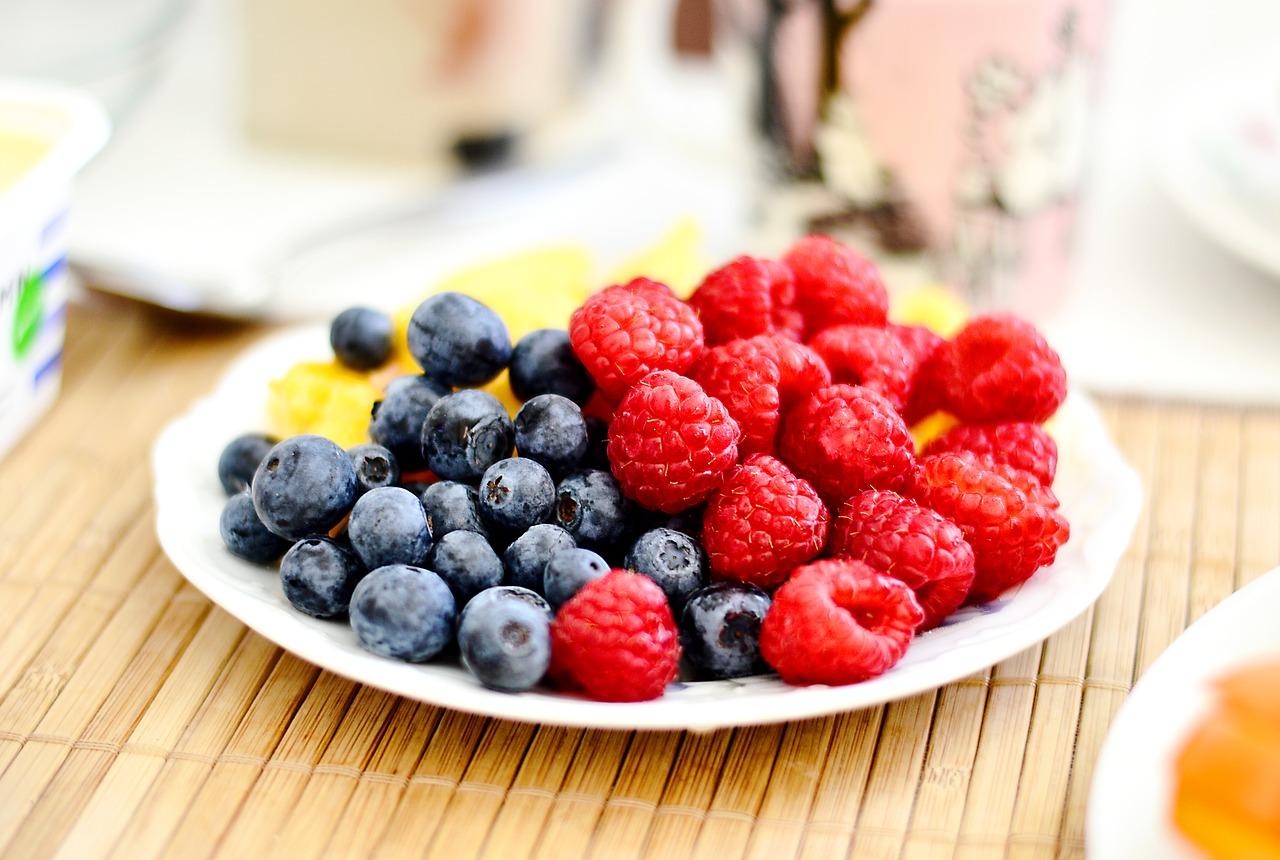
A 2025 review published in Food Science & Nutrition found that dietary antioxidants — particularly from colorful fruits and vegetables, omega-3 fatty acids, and polyphenol-rich foods — can slow visible skin aging.⁸ The researchers highlighted that carotenoids (the compounds that give carrots, tomatoes, and sweet potatoes their vibrant colors) actually accumulate in your skin and act as internal sun protectants.
The Mediterranean diet keeps showing up in skin research for good reason: it's packed with exactly these compounds. Olive oil (polyphenols), fatty fish (omega-3s), tomatoes (lycopene), and leafy greens (lutein) form a dream team for skin resilience.

🧠 The Bottom Line: Sunscreen protects from the outside; a diet rich in colorful produce, healthy fats, and antioxidants protects from the inside. You need both.
Your Actionable To-Do:
Raise your hand if you've spent more hours staring at screens than sleeping this week. 🙋♀️ No judgment — same here. But here's something most people don't realize: the blue light (high-energy visible light, or HEV) beaming from your phone, laptop, and tablet penetrates your skin more deeply than UVA rays.⁹
UVA reaches the dermis, your skin's structural layer. Blue light goes even deeper, right into where collagen and elastin — the proteins that keep skin firm and bouncy — reside. Research suggests prolonged HEV exposure generates oxidative stress, contributes to hyperpigmentation (especially in melanin-rich skin), and may accelerate visible aging.¹⁰
Now, before you panic and throw your laptop out the window: the amount of blue light from screens is significantly lower than what you get from the sun. But we spend significantly more time in front of screens than in direct sunlight. It's the cumulative exposure — hours every day, day after day — that has dermatologists paying attention in 2026.

The good news? Iron oxides — found in tinted sunscreens and some makeup products — provide blue light protection. Antioxidant serums (vitamin C, niacinamide, ferulic acid) help neutralize the oxidative stress. And some newer sunscreens are incorporating specific blue-light defense ingredients.
🧠 The Bottom Line: Blue light from screens and sun penetrates deep into skin, contributing to aging and pigmentation. Tinted sunscreens with iron oxides offer the best daily protection.
Your Actionable To-Do:
U.S. Food and Drug Administration — Press Announcement: "FDA Expands Sunscreen Options for the First Time in 20 Years," June 9, 2026. https://www.fda.gov/news-events/press-announcements/fda-expands-sunscreen-options-first-time-20-years
Environmental Working Group (EWG) — "In Major Win for U.S. Consumers, FDA Approves First New Sunscreen Ingredient in 25 Years," June 9, 2026. https://www.ewg.org/news-insights/news-release/2026/06/major-win-us-consumers-fda-approves-first-new-sunscreen
NPR — Maria Godoy, "4 Things to Know About the New Sunscreen Ingredient the FDA Approved," June 13, 2026. https://www.npr.org/2026/06/13/nx-s1-5856385/sunscreen-skin-protection-bemotrizinol
National Cancer Institute — SEER Program — "Melanoma of the Skin — Cancer Stat Facts," 2026 estimates. https://seer.cancer.gov/statfacts/html/melan.html
Cleveland Clinic — "How to Safely Get Vitamin D From the Sun," Dr. Charles Garven, April 21, 2026. https://health.clevelandclinic.org/vitamin-d-from-the-sun
The Skin Cancer Foundation — Anne Marie McNeill, MD, PhD & Erin Wesner, "Sun Protection and Vitamin D," Updated July 1, 2026. https://www.skincancer.org/blog/sun-protection-and-vitamin-d/
American Journal of Managed Care (AJMC) — "Nutrition's Complex Impact on Skin Health, Aging," Coverage of 2025 AAD Annual Meeting. https://www.ajmc.com/view/nutrition-s-complex-impact-on-skin-health-aging
Food Science & Nutrition (Wiley) — Tranchida et al., "Potential Role of Dietary Antioxidants During Skin Aging," 2025. https://pmc.ncbi.nlm.nih.gov/articles/PMC12046069/
PubMed / National Library of Medicine — "The Impact of Blue Light and Digital Screens on the Skin," 2023. https://pubmed.ncbi.nlm.nih.gov/36594795/
Melanoma Research Alliance — "Over 112,000 Americans Estimated to Be Diagnosed with Invasive Melanoma in 2026." https://www.curemelanoma.org/blog/over-112-000-americans-estimated-to-be-diagnosed-with-invasive-melanoma-in-2026
All claims fact-checked against Gold-tier (FDA, NIH/PubMed, NCI SEER) and Silver-tier (Mayo Clinic, Harvard Health, Cleveland Clinic, EWG, Skin Cancer Foundation) authoritative sources. Last verified: July 20, 2026.
Here's to glowing — safely, smartly, and with science in our corner. Now go enjoy that sunshine (responsibly ☀️). Your skin just got the 2026 upgrade it deserves!