🎀 The Pink Playbook: What 2026 Science Says About Actually Lowering Your Breast Cancer Risk
Published: September 29, 2026 | Reading Time: ~7 minutes | Topic: Cancer Prevention & Everyday Health
October is almost here — and with it comes a sea of pink ribbons. But here's a thought: what if, this year, Pink Month wasn't just about awareness, but about action? Because here's the surprising part — breast cancer isn't a lottery ticket you simply buy by existing. While you can't control everything (age, genes, plain luck all play their part), decades of research have identified habits that genuinely move the needle on risk. And some of them are surprisingly doable. Let's walk through what the 2026 science actually says — no fear-mongering, no miracle cures, just the verified playbook. 💪
🔬 Section 1: First, the Numbers (Because They Matter More Than the Myths)
Let's start with honest math. In the United States, about 1 in 8 women — roughly 13% — will develop invasive breast cancer at some point in her lifetime.¹ ² For 2026, the American Cancer Society estimates 321,910 new invasive cases in U.S. women, plus 60,730 cases of non-invasive DCIS, and 2,670 cases in men (yes, men — about 0.5–1% of all breast cancers occur in fellas, so this ribbon isn't exclusive).³ And globally? The World Health Organization estimates 2.4 million women were diagnosed and 694,000 died from breast cancer in 2024 alone.⁴
Heavy? A little. But here's the flip side that rarely makes headlines: deaths have been steadily declining for decades thanks to earlier detection and better treatment — and a meaningful slice of risk is modifiable. That's the part you and I can actually work with.
Your 3-second takeaway: Breast cancer is common — but "common" is not "inevitable." Your daily habits are real levers.
🏃♀️ Section 2: The Move-More Multiplier
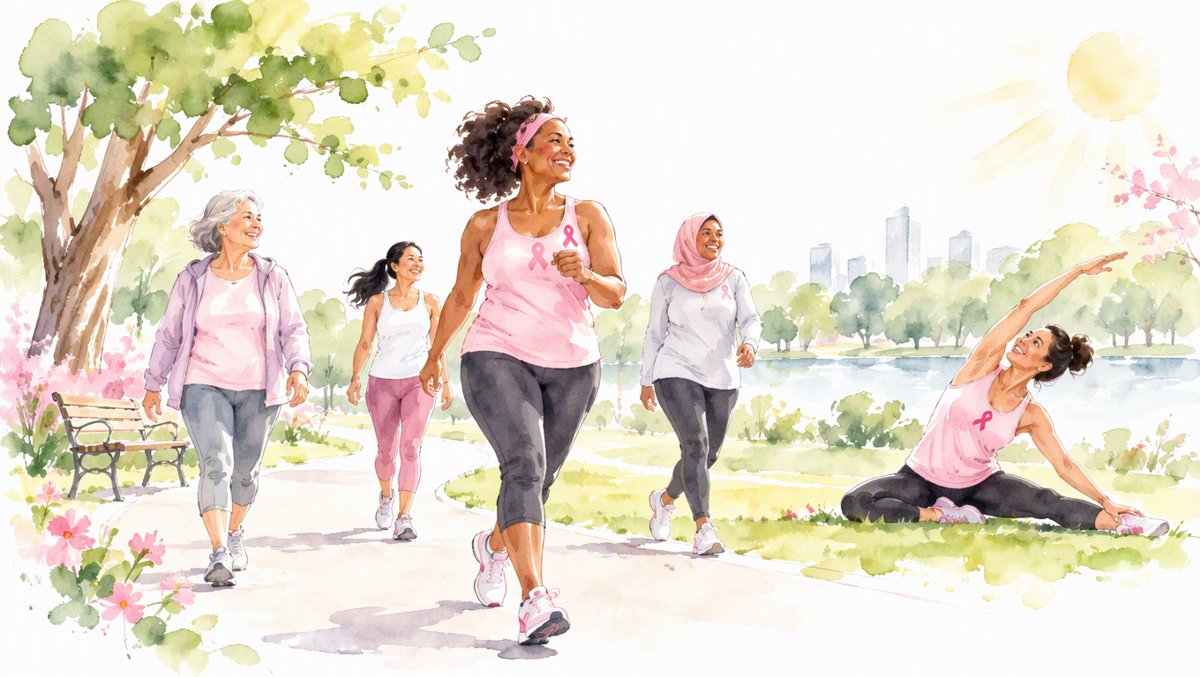
If there were a MVP of breast-cancer risk reduction, exercise would take the trophy. 🏆 Across dozens of studies, women who are regularly active show roughly a 10–20% lower breast cancer risk than the least active women.⁵ ⁶ ⁷ And no, you don't need to train for a marathon. The protective link shows up with moderate activity — brisk walking counts, and yes, walking the dog absolutely counts.
Why does moving work? Scientists point to a team effort: activity helps regulate body fat (fat tissue produces estrogen after menopause), lowers insulin and inflammation, and gives your immune surveillance a leg up.
Try this:
🚶♀️ Stack 150 minutes a week of brisk anything — that's ~22 minutes a day, and it can be split into 10-minute chunks.
💪 Add strength work twice a week — muscle is metabolic gold, especially after 40.
⏰ Break up sitting time — stand up and move for 2–3 minutes every hour.
🎵 Make it fun — dance classes, hiking, pickleball; the best exercise is the one you'll repeat.
Your 3-second takeaway: Regular movement is linked to a 10–20% lower risk. Consistency beats intensity.
🍷 Section 3: The Alcohol Conversation (Sorry, We Have To)
Here's the fact most people have never heard: each daily alcoholic drink is associated with about a 7% increase in relative breast cancer risk — and the risk rises with every additional drink.⁸ ⁹ ¹⁰ This isn't puritan hand-waving; alcohol breaks down into acetaldehyde, raises estrogen levels, and can damage DNA. Even "moderate" drinking — that one nightly glass of wine — is part of the risk equation.¹⁰ ¹¹
Now, before anyone panics: a 7% relative increase from one drink/day is a modest bump in absolute terms for any individual. But breast cancer is common enough that small relative shifts matter at population scale — which is why major cancer organizations are refreshingly direct: the less alcohol, the lower the risk.
Try this:
📅 Try 3–4 alcohol-free days a week and notice how you feel.
🥂 Downsize the pour — a 5-oz wine glass is smaller than your favorite tumbler.
🍋 Build a delicious "drink ritual" alternative — sparkling water with citrus and bitters has saved many a 6 p.m. habit.
Your 3-second takeaway: Alcohol is one of the few risk factors that's 100% optional. Cutting back is a direct, evidence-backed move.
🥗 Section 4: Your Plate, Your Weight, Your Risk
Body weight is a quiet but powerful player — especially after menopause, when fat tissue becomes a mini estrogen factory. Experts at the Breast Cancer Research Foundation estimate that nutrition and weight management influence up to 30% of postmenopausal breast cancers.¹² ¹³
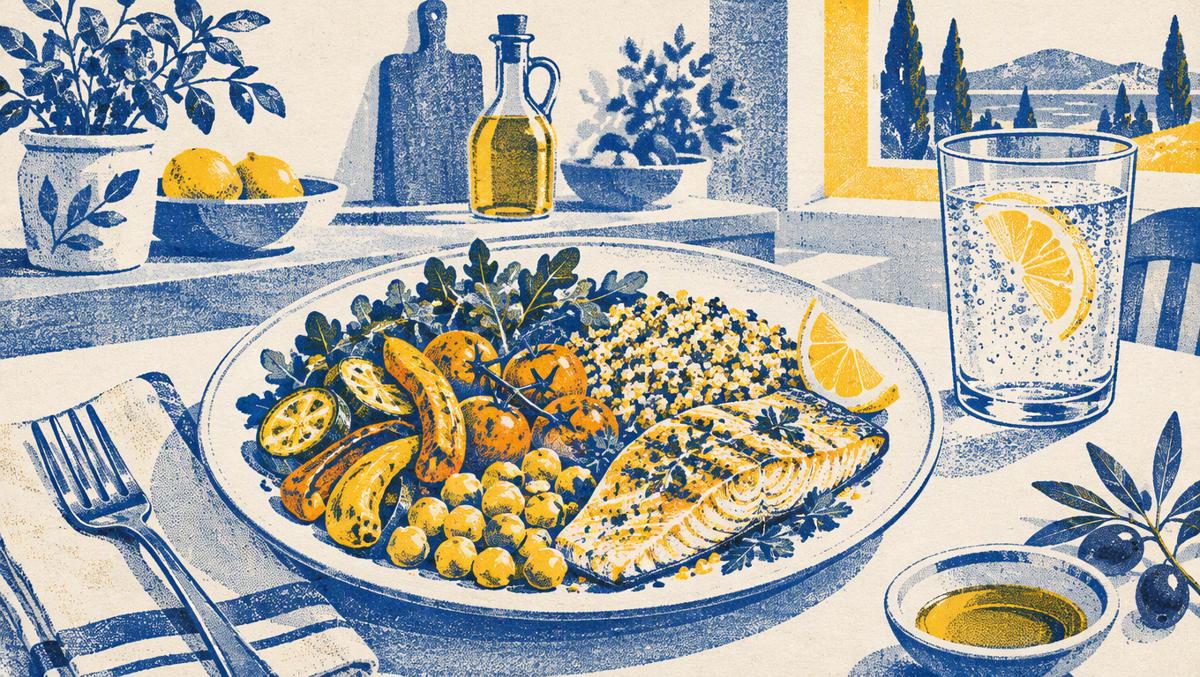
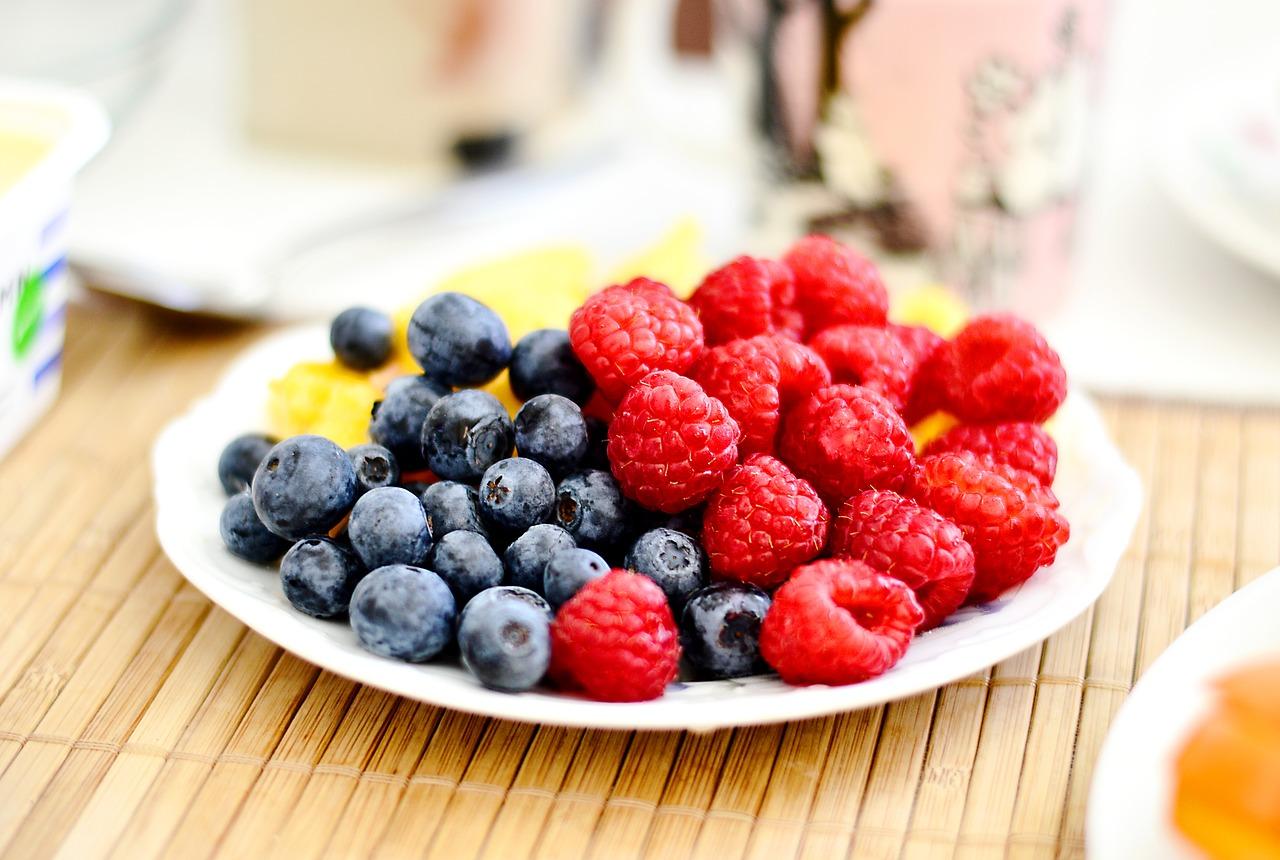
The good news? The pattern of eating that keeps showing up isn't a punishing diet — it's the Mediterranean-style approach: piles of vegetables, fruit, whole grains, legumes, olive oil, fish, and minimal ultra-processed food.¹² ¹³ Bonus: whole soy foods like tofu and edamame — once wrongly feared — appear to be safe and possibly mildly protective.¹² (Supplements, however? Evidence is mixed — food first, always.)
Try this:
🥦 Half your plate = vegetables at lunch and dinner. That's it. Start there.
🫒 Swap butter-heavy cooking for olive oil twice this week.
🍟 Make ultra-processed snacks the "sometimes" guest, not the roommate.
Your 3-second takeaway: A healthy weight plus a plant-forward, Mediterranean-style plate is the most food-powerful combo in the prevention literature.
🍼 Section 5: The Breastfeeding Bonus (Pass It On)
For new and future parents, here's a remarkable stat: the landmark Lancet reanalysis of 47 studies found that breast cancer risk drops by about 4.3% for every 12 months of breastfeeding, on top of a ~7% reduction per birth.¹⁴ Biology's bonus features are real. And if breastfeeding isn't possible for you? Zero guilt — this is one factor among dozens, and fed is best. The point of prevention science is options, not pressure.
Your 3-second takeaway: Breastfeeding offers a modest, real risk reduction — one more data point, never a judgment.
🩺 Section 6: Screening Literacy — Know the Actual Guidelines
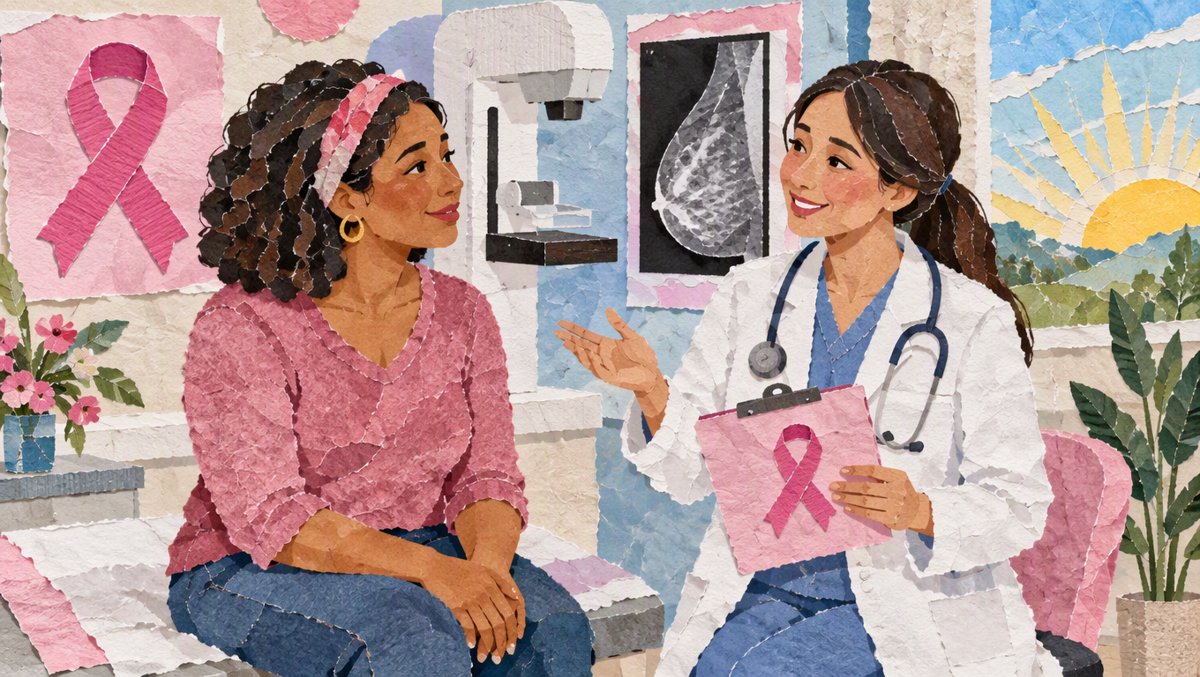
Prevention isn't just lifestyle; it's early detection. The U.S. Preventive Services Task Force (the gold standard for screening evidence) recommends that women at average risk get a mammogram every two years from age 40 through 74.¹⁵ Two quick modernizations for your mental filing cabinet:
Forget the monthly self-exam guilt. Major groups like the American Cancer Society and Mayo Clinic no longer recommend formal routine self-exams as screening, because studies haven't shown they reduce breast cancer deaths — and they generated anxiety and unnecessary biopsies.¹⁶ ¹⁷ What is recommended: breast awareness — knowing how your chest normally looks and feels, and reporting changes (a new lump, skin dimpling, nipple changes, swelling) to a doctor promptly.
Know your density. About half of women have dense breast tissue, which can mask tumors on mammograms; supplemental ultrasound or MRI remains an open evidence question, so it's a conversation to have with your clinician.¹⁵
Try this:
📆 If you're 40–74 and due, book the mammogram this week — it takes 20 minutes.
🧬 Ask your family about cancer history (especially breast/ovarian in close relatives) and share it at your next checkup.
👀 Know your normal, and treat any persistent change as a text-you-should-send, not a wait-and-see.
Your 3-second takeaway: Mammograms every two years from 40–74; self-awareness instead of self-exam pressure; family history is data worth collecting.
🔮 Section 7: What's New on the Research Frontier (Honest Edition)
Science in 2026 is testing bold ideas — and this section comes with a built-in honesty label. A randomized phase-2 trial from the UK (Harvie et al., British Journal of Cancer) put 68 women with advanced breast cancer on a 5:2-style intermittent energy restriction plus resistance training during chemotherapy. Result: the diet-plus-exercise group lost weight, reported better quality of life, and showed a promising-but-not-statistically-significant trend in progression-free survival (42.0 vs 26.1 weeks, p = 0.160). The authors' own conclusion: larger trials are warranted.¹⁸
Translation for the rest of us? Promising, early, and not a prescription — nobody should read this and start extreme fasting as cancer prevention. What it does show is where the field is heading: metabolism, body composition, and lifestyle as legitimate variables in oncology research. Watch this space. 🔬
Your 3-second takeaway: Early trials of diet-plus-exercise during treatment are intriguing — but "promising" and "proven" are different words, and good science respects the distance between them.
🎯 Key Takeaways
Move your body most days. Regular physical activity is linked to a 10–20% lower breast cancer risk — and something always beats nothing.
Go easy on alcohol. Each daily drink is associated with about a 7% higher relative risk. Less is genuinely better — extra alcohol-free days are an easy win.
Guard your healthy weight and eat Mediterranean-style: vegetables, whole grains, legumes, olive oil, fish; ultra-processed food as the "sometimes" guest.
If you're 40–74, get a mammogram every two years — that's the USPSTF recommendation for average-risk women. Know your family history, know your breast density, and know your normal.
Skip the self-exam guilt, keep the self-awareness. Report persistent changes promptly — and remember, men can get breast cancer too, so share this with the guys.
Sohi I, et al. (2024) — Alcoholic Beverage Consumption and Female Breast Cancer Risk: meta-analysis showing risk increases even at one drink/day. Alcoholism: Clinical & Experimental Research. https://pubmed.ncbi.nlm.nih.gov/39581746/
Collaborative Group on Hormonal Factors in Breast Cancer, The Lancet (2002) — Breast Cancer and Breastfeeding: reanalysis of 47 studies; RR down 4.3% per 12 months of breastfeeding, plus 7.0% per birth. https://pubmed.ncbi.nlm.nih.gov/12133652/
Harvie M, et al. (2025) — Randomised Phase-2 Screening Trial of Intermittent Energy Restriction Plus Resistance Exercise vs Resistance Exercise Alone During Chemotherapy for Advanced Breast Cancer. British Journal of Cancer. PFS 42.0 vs 26.1 weeks (p = 0.160); improved weight, QoL; larger trials warranted. https://www.nature.com/articles/s41416-025-03129-8
All claims fact-checked against Gold-tier (WHO/NCI-SEER/ACS/USPSTF/PubMed/Lancet/British Journal of Cancer) and Silver-tier (Mayo Clinic/Cleveland Clinic/MD Anderson) authoritative sources. Last verified: September 29, 2026.
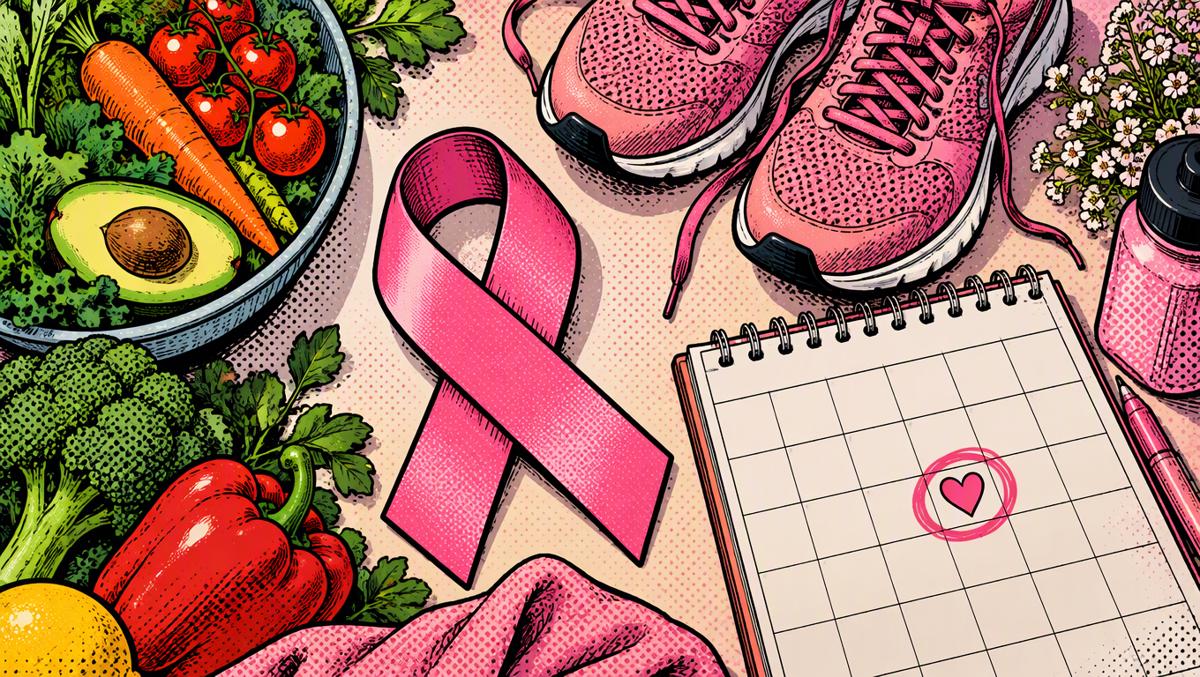
The pink ribbon is a symbol — but your sneakers, your wine glass, your dinner plate, and your calendar reminder for that mammogram? Those are the tools. This October, let's make awareness wonderfully unfashionable by simply being ahead of it. Here's to a healthier, better-informed you — and to everyone whose lives we touch by sharing what actually works. 🎀🌿
 x/health ·