 x/health ·
Published: September 24, 2026 | Reading Time: ~7 minutes | Topic: Brain Health & Supplements
It's 3 a.m. The baby is finally asleep, the deadline is tomorrow, or the exam is in six hours — and your brain feels like a phone blinking at 4%. Now imagine a powder sitting in your kitchen cupboard, originally sold to bodybuilders, that scientists keep catching doing something surprising: quietly helping tired brains recharge. That powder is creatine — and in 2026, it has officially escaped the gym.¹ ²
Before we dive in: this article is not a sales pitch. Some of creatine's brain story is genuinely exciting, some is still being debated by researchers (we'll show you that debate too, because you deserve the full picture). Let's get into it. 🔍
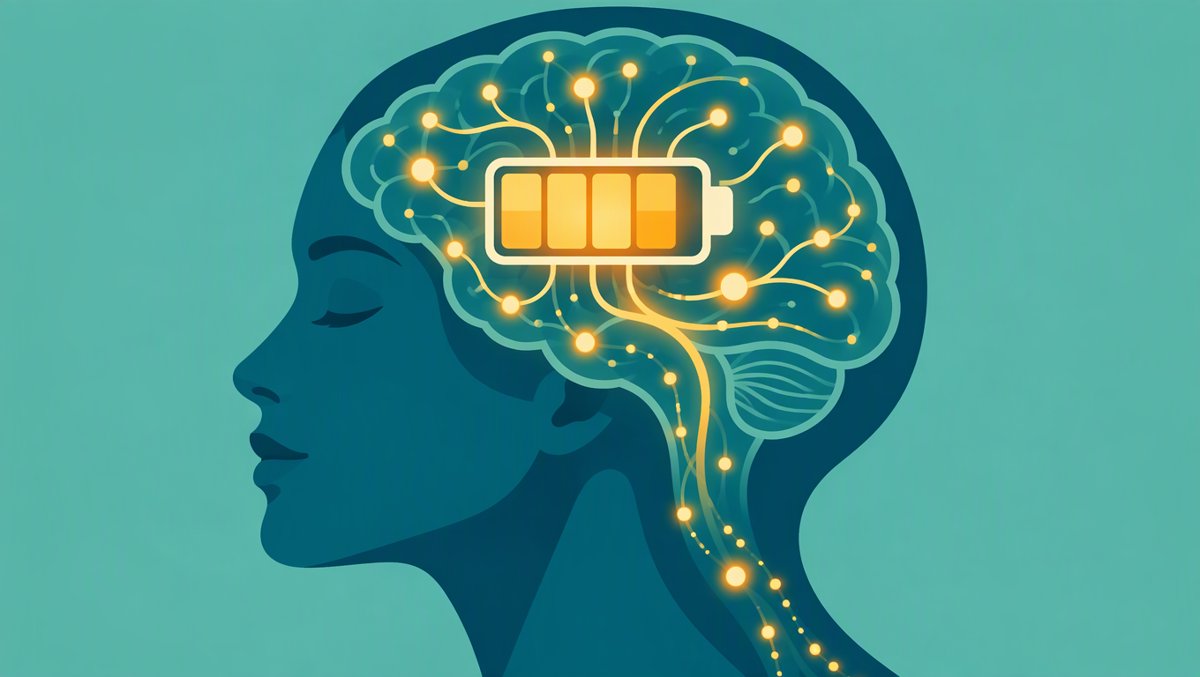
Here's the fun part most people never hear: your brain is one of the most energy-hungry organs you own, and it runs on a molecule called ATP — the tiny "energy currency" your cells spend every second you think, remember, and react.² Creatine's day job is acting like a fast-recharge battery for that currency. Your cells convert creatine into phosphocreatine, which instantly restocks ATP when demand spikes — like a backup generator that kicks in mid-sentence.² ³
Your body already knows this trick. It makes about half of its creatine on its own (in the liver, kidneys, and pancreas), and your diet — mainly red meat, seafood, and milk — contributes roughly 1 to 2 grams a day. About 95% of it is stored in your skeletal muscles, with the rest going to your heart, brain, and other tissues.² ³ When you supplement, you're simply topping up a system you were born with — not adding a foreign substance. That's also why creatine is not a steroid, not a hormone, and one of the most studied supplements on the planet.⁴
💡 Try this:
🎯 Key takeaway: Creatine is your body's built-in rapid-recharge system for cellular energy — and your brain uses that system every waking second.²
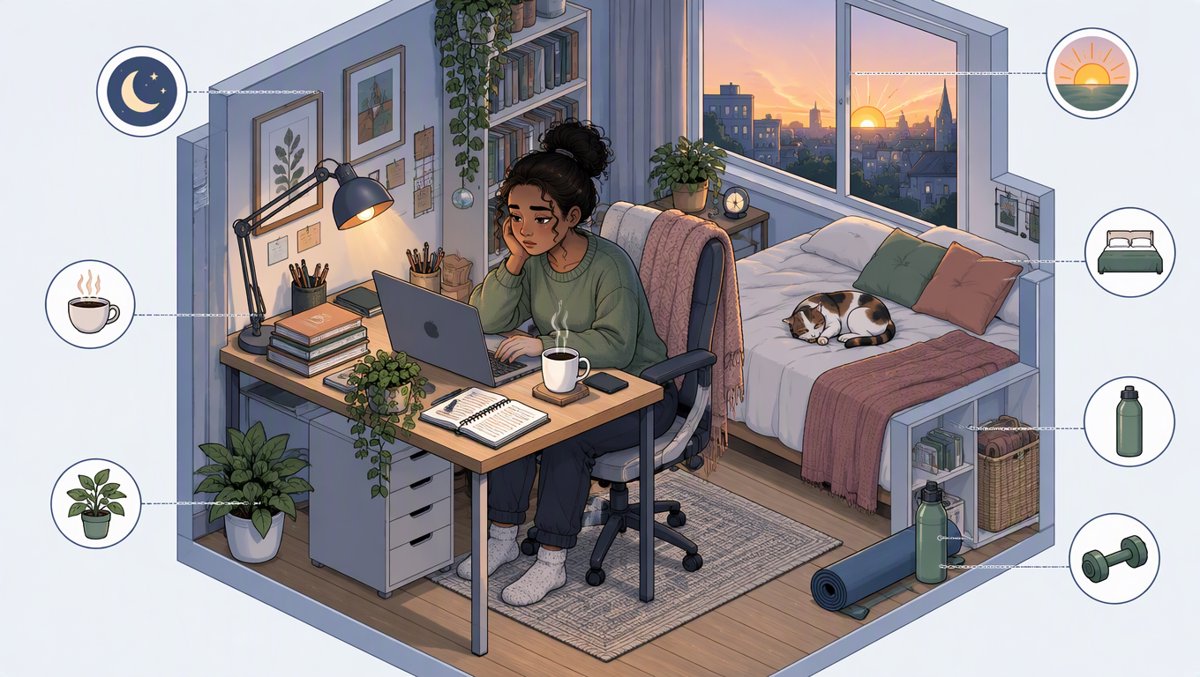
In 2024, researchers ran a beautifully brutal experiment. Fifteen healthy adults stayed awake for 21 hours in a lab. During that sleep-deprived night, each person took either a single high dose of creatine (0.35 g per kg of body weight) or a placebo — in a double-blind, randomized, crossover design, meaning everyone got both on different nights, and nobody (participants or researchers) knew which was which.¹
The results, measured with brain-scanning technology (MRS) and cognitive tests: after creatine, the sleep-deprived brains showed measurable changes in their high-energy phosphates — and the people performed better. Processing speed improved, word memory scores were about 10% higher than placebo, and self-rated fatigue dropped by roughly 8%.¹ Notably, in this study the dose was far above the everyday amount, and it was tested under extreme tiredness — so it's a "concept proven" study, not an excuse to plan an all-nighter. (More on smart dosing in Section 4.)¹
Earlier work explains why: a systematic review of randomized trials found creatine "may improve short-term memory and intelligence/reasoning," with benefits showing up mainly when the brain is under stress — like sleep loss — rather than in fresh, well-rested young adults.³ UCLA Health registered dietitian Yasi Ansari puts it plainly: emerging evidence suggests creatine "may help with memory and concentration under stress or sleep deprivation," particularly in people experiencing sleep loss.²
💡 Try this:
🎯 Key takeaway: In a rigorous 2024 lab trial, creatine measurably improved processing speed and word memory in sleep-deprived adults — one of the most convincing brain findings so far.¹
So is creatine a brain pill for everyone? Here's where honest health writing earns its keep.
The people with the strongest evidence: Adults over 60 may see support for short-term memory, reasoning, and neuroprotection, per Cleveland Clinic.³ ⁴ Vegetarians and vegans, whose baseline stores are lower, tend to respond more — in trials, they showed better memory-task improvements than meat-eaters.² ³ For women, early research hints at muscle and bone support around menopause, though scientists say more studies are needed.² And for well-rested 20-somethings? Multiple reviews found little to no cognitive change — your fully charged battery doesn't need a backup generator.³
The honest scoreboard: In 2024, a meta-analysis by Xu and colleagues concluded creatine has positive effects on cognitive performance in adults.⁵ But science polices itself: a 2026 peer-reviewed commentary documented a statistical flaw in that analysis (it "double-counted" overlapping test results from the same participants), and the European Food Safety Authority had already flagged the same issue — ruling that no conclusions could be drawn from that data, with a corrected re-analysis finding the memory benefit significant mainly in older adults.⁵ So the fair 2026 summary is: promising for tired, older, and plant-based brains; unproven as a universal smart-drug.⁵
💡 Try this:
🎯 Key takeaway: Creatine's brain benefits look real but selective — strongest for older adults, sleep-deprived folks, and people eating plant-based, and still debated for everyone else.² ³ ⁵
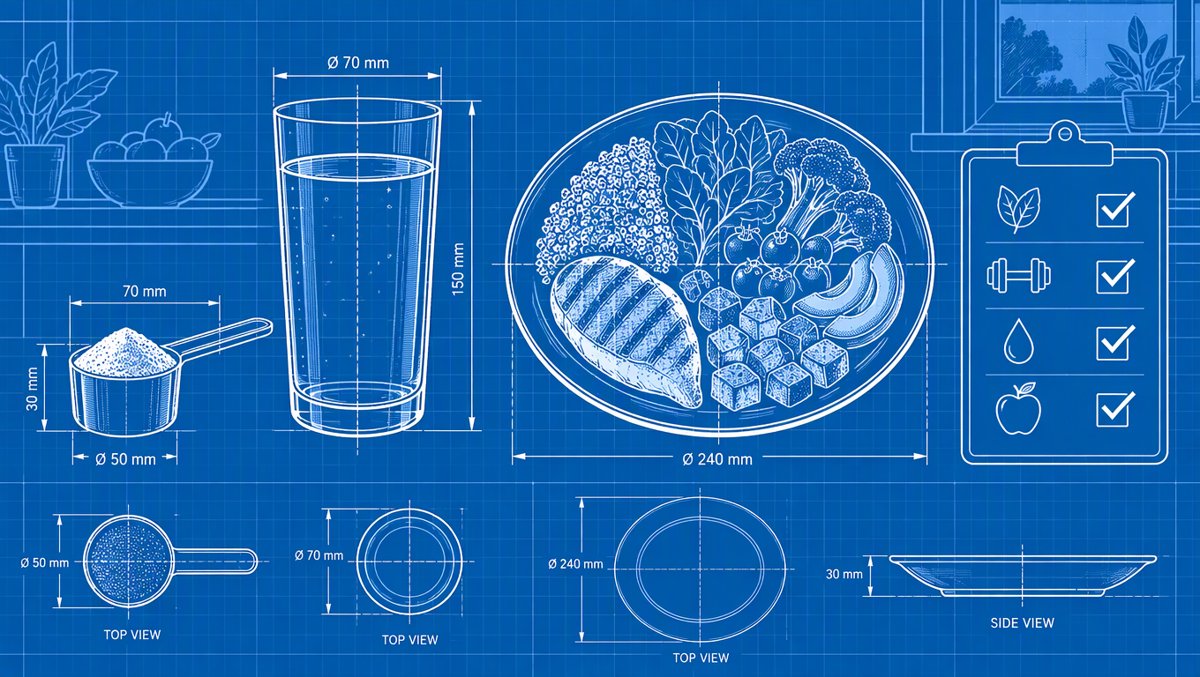
If you're thinking about trying creatine, the playbook from the experts is refreshingly boring — and that's a good thing:
💡 The essentials:
Reassuring context: Mayo Clinic notes creatine is likely safe at appropriate doses for up to five years, and the famous scare-stories — "it's a steroid," "it wrecks your kidneys," "it's fat gain" — are simply not supported by evidence in healthy adults.⁴ (One small, harmless quirk: creatine can nudge a blood test value called creatinine, which just means your doctor may double-check kidney numbers more carefully.⁴)
🎯 Key takeaway: Simple beats clever — 3–5 g of certified creatine monohydrate daily, realistic expectations, and a quick clinician chat if you have any underlying conditions.² ⁴
And remember — food, sleep, and movement come first. No powder replaces the basics. 🌙
All claims fact-checked against Gold-tier (NIH/PubMed, Nature Scientific Reports, Frontiers/EFSA) and Silver-tier (Mayo Clinic, Cleveland Clinic, UCLA Health) authoritative sources. Last verified: September 24, 2026.
Whether you're a student, a new parent, a night-shift hero, or just someone who loves knowing how their body works — your brain has been running this creatine system all along. Treat it kindly, sleep when you can, and stay curious. 💚