 x/health ·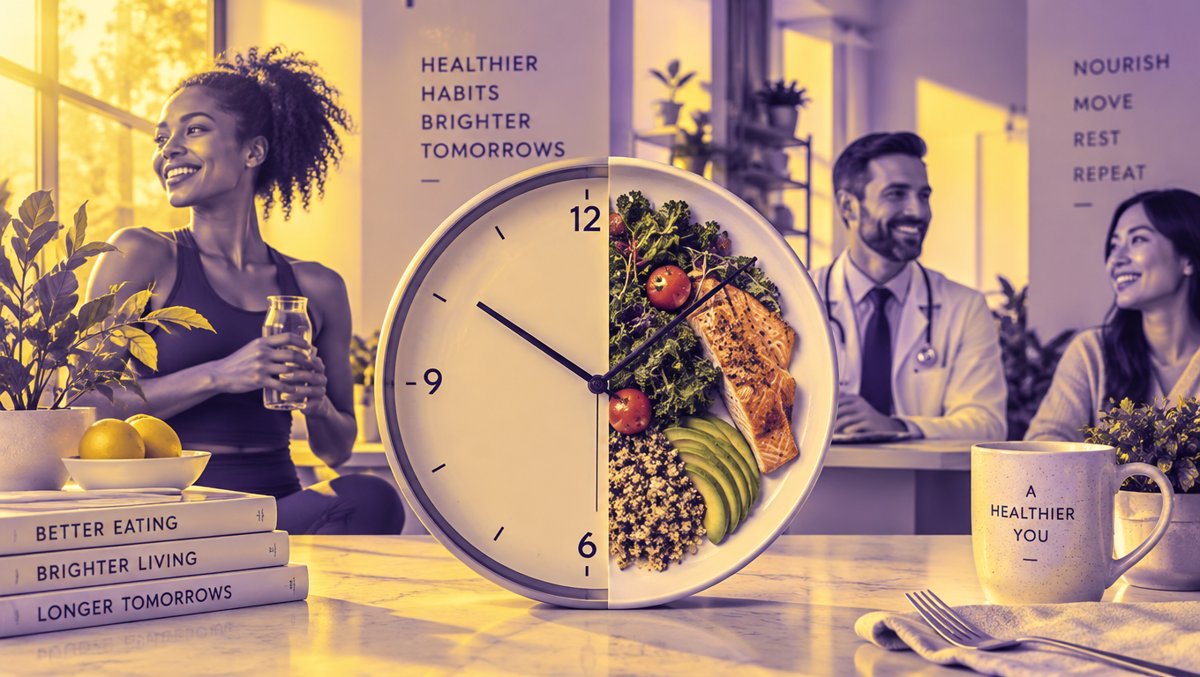
Published: September 12, 2026 | Reading Time: ~7 minutes | Topic: Nutrition & Metabolic Health
Okay, hands up if you've ever tried intermittent fasting. 🙋♀️ Maybe you skipped breakfast, held out until noon, and then stared down your coworker's pizza like it was personal. Or maybe you've just watched a friend swear that "eating between 10 and 6 changed my life" while you quietly wondered if that's even… science? Or vibes?
Well, 2026 has been a blockbuster year for time-restricted eating (TRE) research — and the findings are a genuine plot twist. One landmark trial says the trendy eating window alone doesn't work the way we thought. Another massive analysis says it clearly does something. A third shows the benefits sticking around a full year later. Confused? Don't be — when you line these studies up, they tell one surprisingly practical story about when you eat, how much you eat, and the tiny internal clock ticking inside every one of your cells. Let's dig in. 🍽️⏰
Here's the headline that shook up nutrition Twitter (again): scientists at the German Institute of Human Nutrition and Charité Berlin ran the ChronoFast study — a rigorous randomized trial where 31 women ate their exact same calories inside an 8-hour window.⁴ Early birds ate 8 a.m.–4 p.m.; night owls ate 1 p.m.–9 p.m. Same food. Same calories. Just… compressed.
The result? After two weeks of each schedule: no meaningful improvement in insulin sensitivity, blood sugar, blood fats, or inflammation markers. Zip. The lead researcher, Prof. Olga Ramich, put it bluntly: the benefits seen in earlier fasting studies were "likely due to unintended calorie reduction, rather than the shortened eating period itself."⁴ In other words — when people lost weight on 16:8 in past studies, it may have been because the window quietly helped them eat less, not because the clock performed magic. 🪄
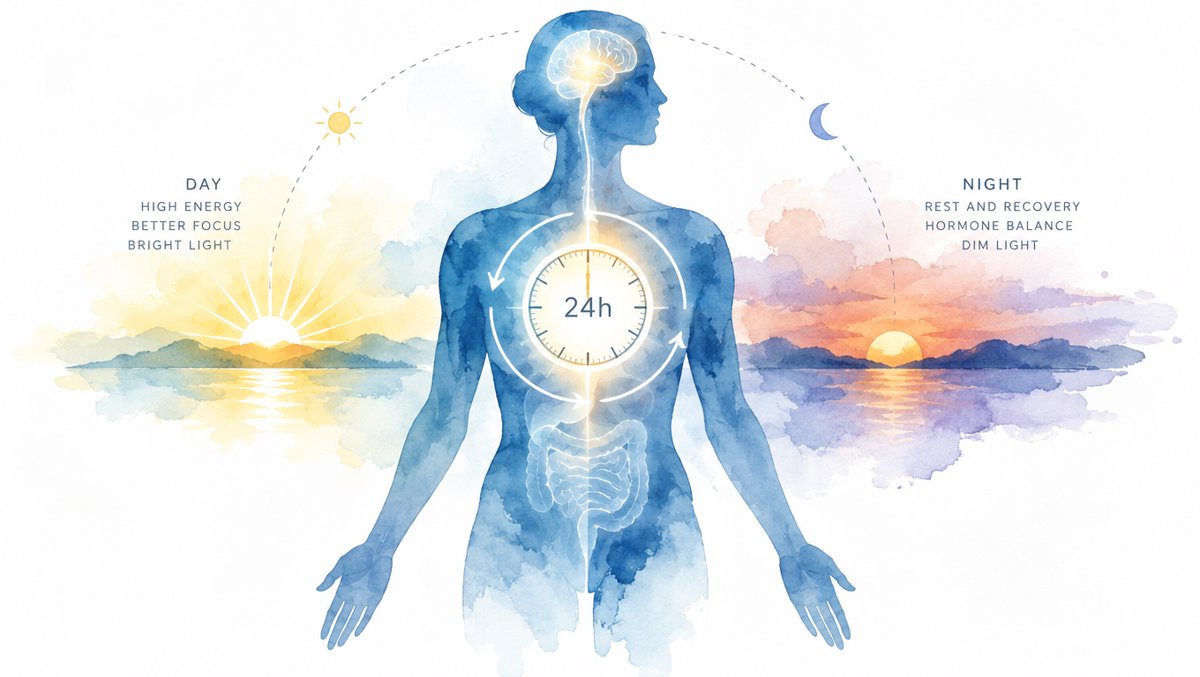
But wait — before you rage-quit your fasting app, here's the fascinating part. While metabolism shrugged, the women's circadian clocks absolutely responded. Blood-cell analysis showed the late-eating schedule shifted their internal body clocks by about 40 minutes, and those participants went to bed and woke up later too. As first author Beeke Peters explained, meal timing acts as a cue for our biological rhythms — "similar to light."⁴ Your dinner time is literally setting alarms all over your body.
Try this:
Key takeaway: The window itself isn't magic — but meal timing genuinely steers your internal clock. Use the structure; skip the mysticism.
So if the window isn't magical, what does the full evidence stack say? Plenty — and it's more encouraging than you'd think.
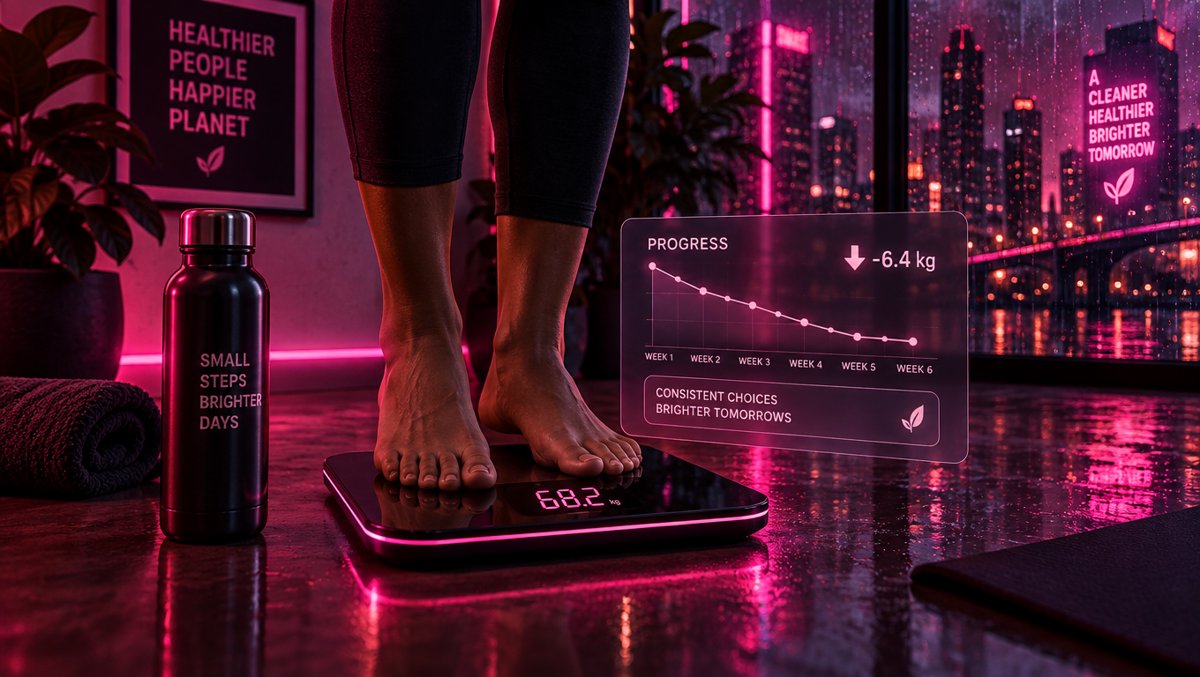
A 2026 network meta-analysis (the study-of-studies kind) pooling randomized trials found that, compared with usual diets, time-restricted eating **significantly improved body weight, BMI, fat mass, and waist circumference.**¹ Not miracle territory — but real, measurable body-composition wins. And Harvard Health notes people tend to lose slowly and sustainably on IF — roughly half a pound to a pound a week — which is exactly the pace that sticks.⁶
Now for the study that made researchers do a happy dance 💃: a team at the University of Granada followed 99 adults with overweight or obesity through a 12-week 16:8 program, then checked back in a full year later. The results, published in Clinical Nutrition: both the early-window group (eating started before 10 a.m.) and the late-window group (started after 1 p.m.) had maintained significantly more weight loss than people who kept eating across 12+ hours. The early group also kept the biggest reduction in fat mass.⁵ Even better? The earlier phase of this trial (published in Nature Medicine) found TRE participants lost 3–4 kg more than people who only got standard nutrition guidance — and a third of participants voluntarily kept fasting during the follow-up year because they actually enjoyed the routine.⁵
Try this:
Key takeaway: TRE is a legit, sustainable tool for weight and fat loss — modest, maintainable, and still working a year later. That's not magic; that's mechanics. ⚙️
One of 2026's most intriguing papers came from a different angle entirely: researchers analyzing NHANES data from 4,890 U.S. adults looked at how eating patterns relate to organ-specific biological aging — think heart age, kidney age, liver age. 🫀 Their findings read like a recipe for "don't be extreme": **excessively long or short fasting durations were associated with worse liver-metabolic indices and cardiovascular risk markers, while moderate eating frequencies and fasting durations were linked to lower biological-age indices and better health metrics.**²
And here's my favorite detail for Team Breakfast 🍳: the link between healthy metabolism and good cardiovascular health was strongest in people who ate breakfast on time.² Meanwhile, Harvard points to research on the other end of the day: nighttime eating is closely tied to weight gain and diabetes risk, and one 2023 study found women who ate their last meal after 9 p.m. had higher heart disease and stroke risk.⁶ There's a historical counterpoint here too — a famous 2018 Cell Metabolism trial found early time-restricted feeding improved insulin sensitivity and blood pressure in men with prediabetes even without weight loss.³ Newer isocaloric data adds nuance to that story⁴ — which is exactly why scientists are now racing to figure out who benefits most from which timing (chronotype, sex, and genetics all seem to matter).⁴
The synthesis? Your body doesn't want extremes — it wants rhythm. A reasonable eating window that starts earlier in the day, ends earlier in the evening, and leaves a solid 12–14 hour overnight fast (yes, sleep counts!) is where the sweet spot lives. ✨
Try this:
Key takeaway: Think Goldilocks, not extremist — a moderate earlier window beats both never-ending snacking and extreme fasting heroics.
All claims fact-checked against Gold-tier (CDC/NIH/WHO/PubMed/Nature/The Lancet) and Silver-tier (Mayo Clinic/Harvard Health/Cleveland Clinic) authoritative sources. Last verified: September 12, 2026.
This is general wellness info, not medical advice — your body, your rules, your doctor's input. Now if you'll excuse me, my eating window is calling… and it starts with breakfast. 🌅💛