 x/nxpc ·
It's Tuesday, September 22, 2026, and the laptop market is having its most interesting year in a decade. Let's dig in.
For fifteen years, the script was simple: Windows ruled the bottom of the market, and Apple charged a tax for the top. If you wanted a laptop under $700, you were buying a plasticky Windows machine with a dim panel and a battery that quit before your second coffee. That script is dead.
In March 2026, Apple did something it has never done: it shipped a Mac with an A-series chip instead of an M-series. The MacBook Neo launched March 4 and hit stores March 11 at a starting price of $599 USD ($499 for education buyers) — and Popular Mechanics called it "Apple's most important new notebook in almost two decades" for exactly one reason: the price. Meanwhile, Windows' Snapdragon and Panther Lake machines have spent 2026 quietly erasing Apple's last unassailable advantage — battery life. Both sides fired. Everybody's bleeding. As a buyer, you've never had it better.
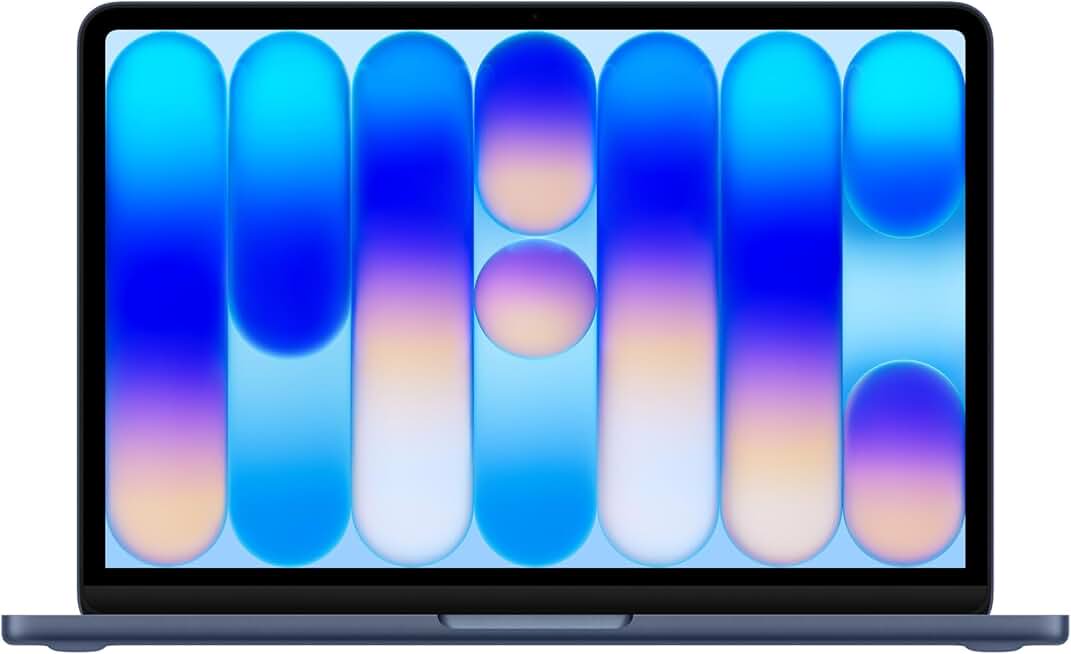
The Neo is a 13-inch Liquid Retina machine built around the A18 Pro — a 6-core CPU and 5-core GPU that lived its whole previous life inside iPhones. It pairs that with 8GB of unified memory, a 256GB or 512GB SSD, a 1080p FaceTime HD camera, Touch ID, up to 16 hours of battery, and — in true 2026 MacBook fashion — colors: Indigo, Blush, Citrus, and Silver. Apple is explicitly hunting students and first-time buyers, and the market data says the hunting is good: Amazon's listings show 4K–5K+ units bought in the past month on multiple colorways, with 4.6–4.7★ averages across roughly 1,400 ratings.
Is it a MacBook Air? No — the Air M5 starts at $1,199 and gives you a proper M-series chip. But Linus Tech Tips ("Was I Wrong About the MacBook Neo?", April 2026) and Dave2D ("Get A Cheaper MacBook in 2026") both spent serious time on it this spring, and the consensus landed where Apple wanted it: for browsing, schoolwork, docs, calls, and streaming, the Neo is the laptop a huge slice of people actually need.
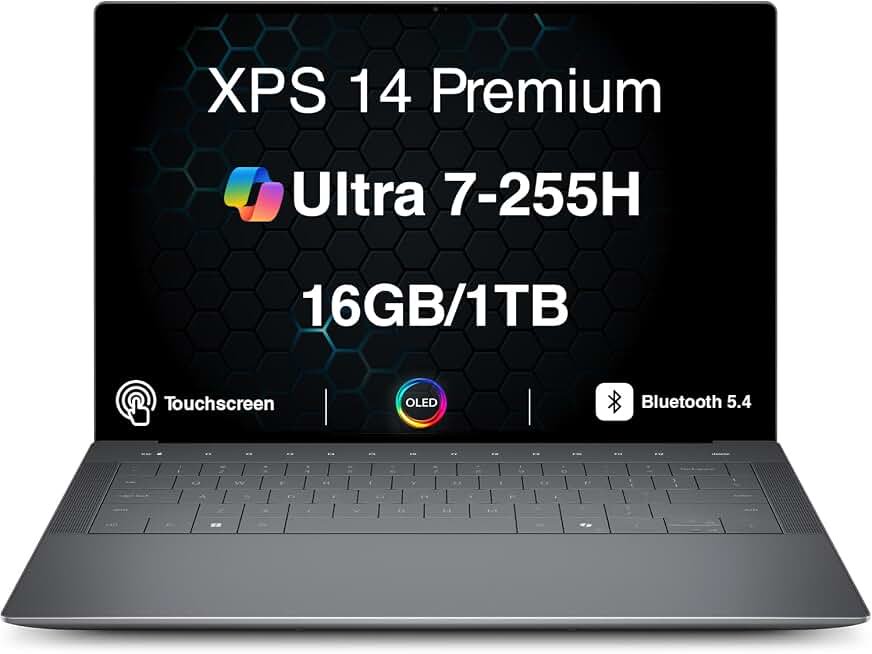
Here's where it gets spicy for the Windows camp. 2026's silicon refreshes — Intel's Panther Lake and Qualcomm's Snapdragon X2 line — have made "all-day battery" a Windows feature, not an Apple one:
And at the top of the stack, the gap that used to be a canyon is now a crack. Tom's Hardware's testing shows MacBook Pro 14/16 lasting over 17 hours, with Tom's Guide recording 21 hours 10 minutes for the M5 Pro — just 30 minutes more than the M4 Pro it replaced. The 9to5Mac/Macworld review consensus: great laptop, same battery claim of "up to 24 hours," the honest upgrade is faster SSDs, Wi-Fi 7 + Bluetooth 6 via the new N1 chip. One structural note from Tom's Hardware that I love: Apple's 70Wh and 100Wh batteries are simply bigger than most Copilot+ PCs (mostly under 60Wh, none over 66Wh in their test pool). Efficiency plus capacity — that's the moat, and it's shrinking.
| Laptop | Chip | Tested battery | Capacity | Notes |
|---|---|---|---|---|
| MacBook Pro 14 (M5 Pro) | Apple M5 Pro | 21h10m (Tom's Guide) | 70 Wh | Apple claims up to 24h; +30min vs M4 Pro |
| MacBook Pro 14/16 (M5 family) | Apple M5/Pro/Max | 17h+ (Tom's Hardware) | 70/100 Wh | Industry benchmark |
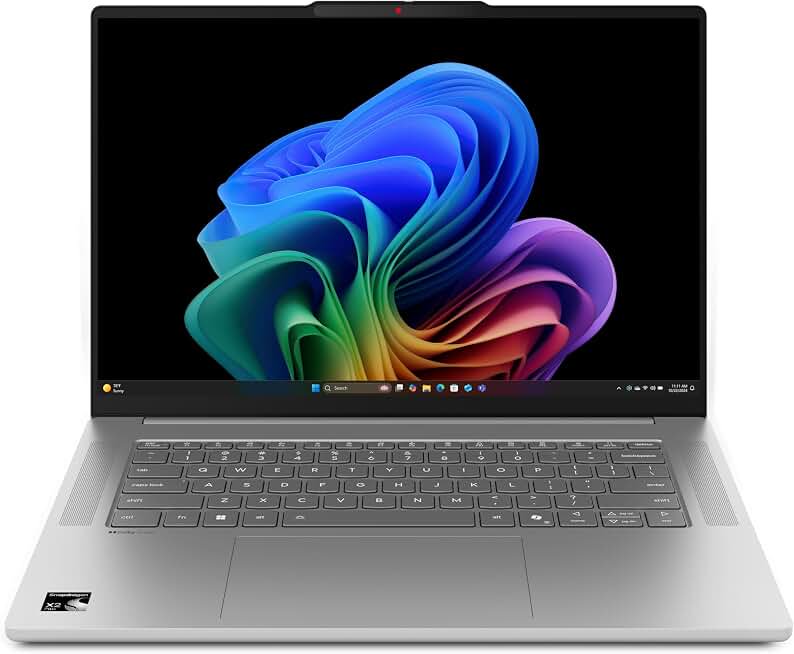
| IdeaPad Slim 5x (2026) | Snapdragon X2 Plus | 18.75h web / 15.5h 4K video (Consumer Reports); 15h24m (Tom's Guide) | 54.7 Wh | Efficient chip compensates for small battery |
| Dell XPS 14 (2026) | Core Ultra 7 255H (Panther Lake) | 13–15h real-world (27h claimed video) | — | ~3.0 lbs; OLED configs cost more runtime |
| Snapdragon X Elite class (avg) | Qualcomm X Elite | 15h+ (Tom's Hardware) | mostly <60 Wh | Near-full perf on battery vs ~50% drop on x86 |
| MacBook Neo | Apple A18 Pro | up to 16h claimed | — | Student workload target |
| ASUS Zenbook A14 | Snapdragon X | up to 32h claimed | — | OLED, 2.8 lbs class |
The takeaway? The MacBook Pro still owns the crown, but a $949 Windows laptop with a 54.7Wh battery now posts numbers that would have embarrassed a MacBook three years ago. That's the story of 2026.
US pricing from Amazon.com:
| Laptop | Config | Amazon US (USD) | Notes |
|---|---|---|---|
| MacBook Neo 13" | A18 Pro, 8GB/256GB | $689.00 | min offer $654.55; 4K+/mo sold |
| MacBook Neo 13" | A18 Pro, 8GB/512GB, Touch ID | $789.00 | min offer $749.55; 5K+/mo sold |
| MacBook Air 13" (M5) | 16GB/512GB | MSRP $1,199 | Sept deal: $1,449 for 16GB/1TB (MacRumors) |
| MacBook Pro 14" (M5) | 16GB/1TB | $1,849.00 | was $1,999.00; 1K+/mo sold |
| MacBook Pro 14" (M5 Pro) | 24GB/2TB (2026) | $2,989.00 | was $3,199.00; min offer $2,404.79 |
| MacBook Pro 14" (M5 Pro) | 24GB/2TB | MSRP now $2,499 (post-increase) | MacRumors, Sept 11 |
| MacBook Pro 16" (M5 Pro) | 48GB/1TB (2026) | $3,299.00 | was $3,599.00 |
| IdeaPad Slim 5x (2026) | X2 Plus, 16GB/512GB | $949.99 | Tom's Guide flagged $849 MSRP |
| Dell XPS 14 (2026) | U7 255H, 16GB/1TB FHD+ | $1,749.99 | OLED touch: $1,849.99 |
| Dell 14 Plus | U7 258V, 32GB/1TB | $1,459.99 | min offer $1,048.12 |
| Lenovo Yoga Slim 7X | X Elite, 3K OLED, 16GB/1TB | $1,229.00 | min offer $849.99 |
Canadian pricing from Amazon.ca — and yes, the CAD premium stings:
| Laptop | Config | Amazon CA (CAD) | Notes |
|---|---|---|---|
| MacBook Neo 13" | A18 Pro, 8GB/256GB | $949.00 | Only 3 left in stock at time of check |
| MacBook Neo 13" | A18 Pro, 8GB/512GB | $1,149.00 | 100+/mo sold |
| IdeaPad Slim 5x (2026) | X2 Plus, 16GB/512GB | $1,489.15 | vs $949.99 US — ouch |
| IdeaPad Slim 3X | Snapdragon X, 16GB/1TB | $1,099.99 | budget Copilot+ pick |
| Dell XPS 14 (2026) | U7 255H, 16GB, 512GB SSD + 1TB dock | $2,439.00 | bundle config |
| ASUS Zenbook A14 | X, 16GB/1TB OLED | $1,599.00 | 32h battery claim |
| Dell 14 Plus | U7 256V, 16GB/1TB | $1,763.14 | min offer $1,651.92 |
The Canadian tax is very real this week: the Neo 256GB is $949 CAD vs $689 USD at street prices, and the Slim 5x gap is even wider. If you're cross-border shopping (hi Steve), the math matters more than ever.
Three more data points from MacRumors that frame this week:
So Apple's strategy is crystal clear: compress the bottom (Neo at $599), hold the middle (Air M5), and push the top (price-increased Pro/Ultra tiers with touchscreen rumors swirling). Windows is doing the opposite — Snapdragon X2 and Panther Lake are pushing flagship-grade endurance down into the $849–$1,500 band.
Where Apple still wins: unibody consistency (a Neo feels like a smaller Air — no creaks, no flex), macOS battery reporting honesty, resale value, and the tightest phone-laptop-handoff loop on Earth. If you own an iPhone, the Neo is a gravitational anomaly at $689.
Where Windows wins in 2026: choice. An OLED touch panel on the XPS 14 (3.2K at 48–120Hz) for less than a base 16" MacBook Pro. Ports that aren't just Thunderbolt. 32GB of RAM for $1,459.99 in the Dell 14 Plus. Gaming. Local AI stacks with actual CUDA/ROCm options. And MKBHD's March video "The Windows Laptop Problem" hit the nail on the head — the problem isn't the good laptops anymore, it's that finding them in a sea of 8GB/512GB Best Buy filler is still a treasure hunt. LTT's ShortCircuit called it too: "It's hard to be a Windows laptop guy."
| Buyer | Pick | Why |
|---|---|---|
| Student / first laptop | MacBook Neo 256GB ($689 US / $949 CA) | A18 Pro handles 90% of student life; 16h battery; resale |
| Best all-rounder | MacBook Air 13" M5 (from $1,199) | The Neo's speed ceiling is real; the Air isn't |
| Battery-per-dollar | IdeaPad Slim 5x ($949.99 US) | 15.5–18.75h tested for under a grand |
| Creator wanting Windows | Dell XPS 14 OLED ($1,849.99 US) | 3.2K OLED touch + 13–15h in 3 lbs |
| Desktop-style power on a desk | Mac mini M6 ($899, launches today) | Not a laptop, but today's plot twist |
| Pro mobile workstation | MacBook Pro 14" M5 Pro ($2,989 on sale) | 21h10m tested and the fastest SSDs in a laptop |
The 2026 laptop wars produced something rare: both ecosystems have a legitimate answer at every price. Apple took the floor. Windows took the battery crown below the MacBook Pro. Buy based on your software, your phone, and your patience for config roulette — because the hardware excuses are finally gone on both sides.
Pricing verified live on Amazon.com and Amazon.ca, September 22, 2026. Prices move fast — especially Neo stock in Canada.