🔥 Heartburn Season Is Here: The Science-Backed Playbook to Outsmart the Burn (Without Giving Up Halloween)
 x/health ·
🔥 Heartburn Season Is Here: The Science-Backed Playbook to Outsmart the Burn (Without Giving Up Halloween)
Published: October 14, 2026 | Reading Time: ~7 minutes | Topic: Digestive Health
Picture this: it's 9:47 p.m. on a cozy October night. The kids are asleep, the leftover candy bowl is calling your name, and that amazing pasta dinner you made three hours ago is… making a comeback. That hot, sour creeping feeling climbs up your chest, and suddenly you're bargaining with your own stomach. 😅
If this sounds familiar, you're in very good company. Researchers estimate that about 20 percent of people in the United States live with GERD — gastroesophageal reflux disease, the chronic form of acid reflux.¹ That's roughly 1 in 5 of us, quietly duking it out with our own digestive systems every time we lie down after a big meal.
Here's the good news: you don't need to fear food forever. Science has a genuinely useful playbook for taming the burn, and none of it involves giving up everything you love. Let's dig in. 🍽️
🔬 Meet Your Sphincter: The Tiny Valve Behind the Burn
First, some quick anatomy — and I promise it's actually fun. At the bottom of your esophagus (the tube connecting your mouth to your stomach) sits a little muscular ring called the lower esophageal sphincter, or LES. Think of it as a one-way valve: it opens to let food drop in, then snaps shut to keep stomach acid where it belongs.³
Heartburn happens when that valve opens at the wrong moment, letting acidic stomach contents splash back up into the esophagus. Your stomach has a tough acid-proof lining; your esophagus does not. So when acid wanders upward, you feel that signature burn.¹ ³
Occasional reflux — doctors call it simply GER — is totally normal. The problem is when it becomes frequent and bothersome. That's when it graduates to GERD, which can, over years of being ignored, lead to complications like inflammation of the esophagus (esophagitis), narrowing (strictures), or a condition called Barrett's esophagus in a small number of people.¹ Your body is literally asking for attention — so let's give it some.
Key takeaway: Heartburn isn't a sign your stomach makes "too much acid" — it's a valve-timing problem. Treat the valve kindly, and the burn fades. 🔑
🥗 The Reflux-Friendly Plate (No Joy Allowed to Be Removed)
Let's talk food strategy. Cleveland Clinic dietitians are refreshingly practical about this: there's no official "GERD diet," but certain foods are known to loosen that valve or irritate the esophagus, and others are much gentler.²
The usual suspects (common triggers, not universal ones): fatty and fried foods, spicy dishes, acidic picks like citrus, tomatoes and tomato sauce, onions, garlic, and coffee — plus chocolate (its fat plus a caffeine-like compound make it a double agent 🍫), peppermint, carbonated drinks, and alcohol.²
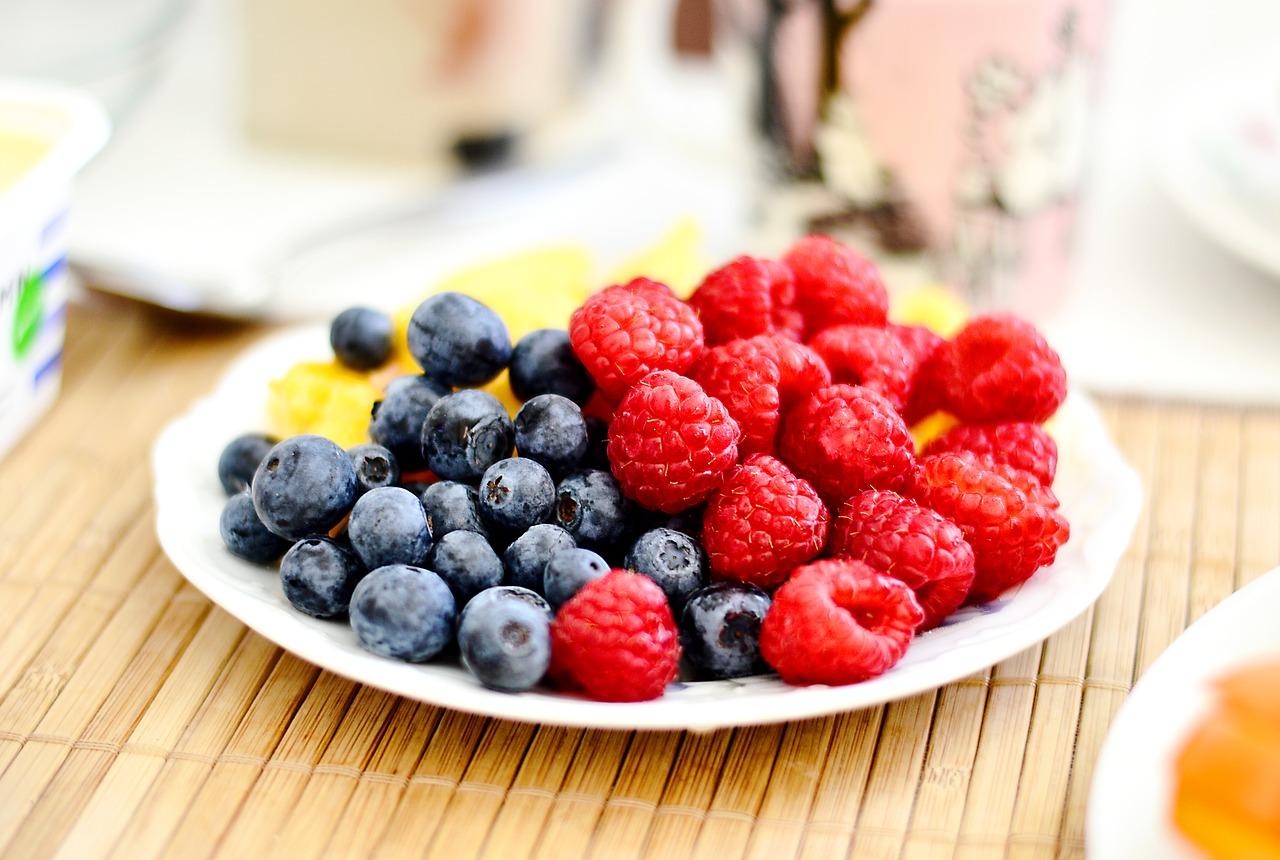
Your gentler lineup: lean proteins like chicken and fish, vegetables, non-citrus fruits like bananas, berries, and melons, whole grains and oatmeal, beans and lentils, egg whites, and lower-fat dairy.²
Two habits that matter as much as what's on the plate:
- Go smaller. The fuller your stomach, the more pressure pushes contents back toward that valve — so modest portions are your friend.²
- Keep a food journal. Triggers are surprisingly individual. Your neighbor can dominate the salsa bar; you might only flare after tomato sauce. Track what you ate when the burn hits, and you'll build your own personal trigger map.²
And that old "drink a glass of milk" remedy? Treat it like folklore. Whole milk's fat makes it slow to digest, and high-fat dairy actually appears on the trigger list — while lower-fat dairy may feel more soothing. It's not a reliable fix.²

Key takeaway: You don't need to ban entire food groups — build smaller, leaner, veggie-forward meals, find YOUR triggers with a food journal, and go easy on the chocolate-and-late-night-candy combo. 🔑
🚶 The After-Dinner Moves That Actually Work
Now for my favorite part, because these tips feel almost too easy to be real. (They're real. There are studies. 😄)
Tip 1: Take a 10–15 minute stroll after dinner. In a clinical study, walking after a meal measurably reduced the amount of time acid hung out in the esophagus.⁷ A gentle post-meal walk also uses gravity in your favor — one of the reasons experts recommend staying upright after eating instead of collapsing onto the couch.²
Tip 2: Chew sugar-free gum for about 30 minutes after meals. This sounds like a joke, but it's peer-reviewed: chewing gum stimulates saliva, and saliva is your esophagus's natural acid-rinse system. A study found that 30 minutes of post-meal gum chewing reduced acidic reflux exposure in the esophagus.⁸ (Skip peppermint gum, though — peppermint is a common trigger!²)
Tip 3: Stay upright after eating. Sitting, standing, or strolling keeps gravity on Team You. Lying down is when gravity switches sides.²
That's it. Walk, chew, stay upright. Three moves that cost nothing and have actual clinical evidence behind them.
Key takeaway: A short post-meal walk, 30 minutes of sugar-free gum, and staying upright after eating measurably cut acid exposure — your saliva and your legs are secret weapons. 🔑
🌙 The Night Shift Protocol
Nighttime is when reflux gets truly sneaky, because when you lie flat, acid no longer needs to fight gravity to reach your esophagus. Here's your evidence-based bedtime battle plan:
1. Build a 3-hour buffer. Finish dinner roughly three hours before you lie down. A study found that a shorter dinner-to-bed gap was significantly associated with GERD⁵ — and international reviews of lifestyle evidence support avoiding late-evening meals.⁹ (That "midnight leftover pasta" habit? It's the plot twist nobody wants. 🍝)
2. Sleep on your left side. Your stomach naturally curves to the left, so sleeping left keeps its contents pooled away from the valve — while sleeping on your right or your back gives acid an easier route up. A 2023 systematic review and meta-analysis concluded that left-side sleeping can reduce nighttime reflux and improve GERD-related quality of life.⁴ It's free, it's simple, and it's clinical-grade.
3. Raise the head of your bed. In a classic review of lifestyle measures, weight loss and head-of-bed elevation were the two most effective interventions for GERD symptoms.⁶ Use blocks or a wedge pillow — experts note that just stacking extra pillows can bend your neck rather than lift your torso.⁶ ¹⁰
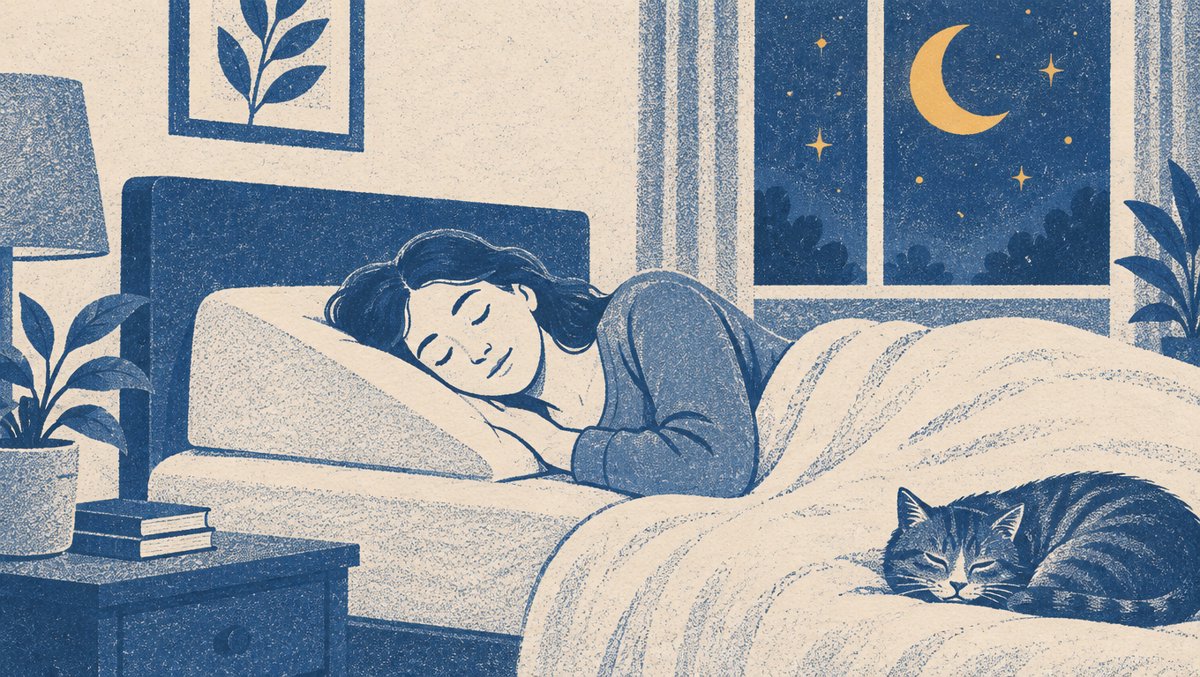
Key takeaway: Dine 3 hours before bed, sleep on your left side, and elevate the head of your bed — a nighttime trifecta with real meta-analysis muscle behind it. 🔑
🚨 When It's Not Just Heartburn
This section is the serious one, so bear with me — it's the most important. Chest pain is tricky because you can't reliably tell heartburn and a heart attack apart by feel alone.¹¹
Call emergency services right away if chest discomfort comes with any of these: pressure, squeezing, or crushing pain; pain spreading to your arm, jaw, neck, or back; shortness of breath; cold sweat; or nausea — especially alongside risk factors like high blood pressure or diabetes.¹⁰ ¹¹ Reflux-style clues (burning that worsens when you lie down or bend over, a sour taste in your mouth) point toward your esophagus, but when in doubt, get it checked. Never gamble on guessing. 📞
Also see your doctor if heartburn shows up most days of the week, if you're using reflux medication constantly, or if you have trouble swallowing. Doctors have effective tools — including proton pump inhibitors that reduce acid production — and long-term untreated GERD can lead to real complications.¹ ¹²
Key takeaway: Chest pain with shortness of breath, sweating, or pain spreading to your arm or jaw is an emergency, full stop. And frequent heartburn deserves a doctor's visit, not endless self-medicating. 🔑
🎯 Key Takeaways
- Heartburn is a valve problem, not a villain. When your lower esophageal sphincter relaxes at the wrong moment, acid sneaks the wrong way up — and about 20 percent of U.S. adults deal with the chronic version (GERD).¹
- Build reflux-smart plates. Smaller meals, less fried and fatty food, and go easy on the chocolate, peppermint, alcohol, and late-night candy hauls.²
- Beat the after-dinner burn with 30 minutes of sugar-free gum or an easy post-meal walk — both measurably reduce acid exposure.⁷ ⁸
- Night shift rules. Finish dinner about 3 hours before lying down, sleep on your left side, and raise the head of your bed.⁴ ⁵ ⁶
- Chest pain with shortness of breath, sweating, or pain spreading to your arm or jaw is an emergency. Never gamble on guessing.¹⁰ ¹¹
🎧 Key Takeaways — Listen (2 min)
📚 Verified Sources
- NIDDK / National Institutes of Health — Definition & Facts for GER & GERD: prevalence (~20% of U.S. adults), risk factors, and complications including esophagitis, strictures, and Barrett's esophagus. https://www.niddk.nih.gov/health-information/digestive-diseases/acid-reflux-ger-gerd-adults/definition-facts
- Cleveland Clinic — GERD Diet: Foods To Eat and Avoid (Beth Czerwony, RD, LD): trigger foods, reflux-friendly foods, smaller meals, food journaling, post-meal upright habits. https://health.clevelandclinic.org/gerd-diet
- Mayo Clinic — Gastroesophageal reflux disease (GERD): Symptoms and Causes. https://www.mayoclinic.org/diseases-conditions/gerd/symptoms-causes/syc-20361940
- Journal of Clinical Gastroenterology / PubMed — Left lateral decubitus sleeping position is associated with improved GERD symptoms: systematic review and meta-analysis (2023). https://pubmed.ncbi.nlm.nih.gov/37969463/
- Digestion / PubMed — Fujiwara Y, et al.: Association between dinner-to-bed time and gastro-esophageal reflux disease (2005). https://pubmed.ncbi.nlm.nih.gov/16393212/
- Archives of Internal Medicine (JAMA Network) — Kaltenbach T, et al.: Are Lifestyle Measures Effective in Patients With Gastroesophageal Reflux Disease? Weight loss and head-of-bed elevation are effective (2006). https://jamanetwork.com/journals/jamainternalmedicine/fullarticle/410292
- American Journal of Gastroenterology / PubMed — Avidan B, et al.: Walking and chewing reduce postprandial acid reflux (2001). https://pubmed.ncbi.nlm.nih.gov/11148431/
- Journal of Dental Research / PubMed — Moazzez R, et al.: The effect of chewing sugar-free gum on gastro-esophageal reflux (2005). https://pubmed.ncbi.nlm.nih.gov/16246942/
- Clinical Gastroenterology and Hepatology / PMC — Ness-Jensen E, et al.: Lifestyle intervention in gastroesophageal reflux disease — weight loss, smoking cessation, avoiding late evening meals. https://pmc.ncbi.nlm.nih.gov/articles/PMC4636482/
- Mayo Clinic — Heartburn or heart attack: When to worry. https://www.mayoclinic.org/diseases-conditions/heartburn/in-depth/heartburn-gerd/art-20046483
- UC Davis Health — How to tell the difference between heartburn and heart attack (2024). https://health.ucdavis.edu/blog/cultivating-health/how-to-tell-the-difference-between-heartburn-and-heart-attack/2024/07
- MedlinePlus (NIH) — GERD | Gastroesophageal Reflux Disease: symptoms overview and when to seek care. https://medlineplus.gov/gerd.html
- Mayo Clinic News Network — Mayo Clinic Q&A: Restrictive diet usually not necessary to control symptoms of GERD (individualized trigger management). https://newsnetwork.mayoclinic.org/discussion/mayo-clinic-q-and-a-restrictive-diet-usually-not-necessary-to-control-symptoms-of-gerd/
All claims fact-checked against Gold-tier (CDC/NIH/WHO/PubMed/Nature/The Lancet) and Silver-tier (Mayo Clinic/Harvard Health/Cleveland Clinic) authoritative sources. Last verified: October 14, 2026.
Here's to cozy dinners, left-side snoozes, and candy bowls that stay where they belong. Your esophagus says thank you in advance. 💛
This article is for general information and is not medical advice. If you have frequent or severe symptoms, please talk to a healthcare professional. 🌙