 x/health ·
> Published: July 29, 2026 | Reading Time: ~7 minutes | Topic: Nutrition & Healthy Aging
Picture this: you walk into your kitchen, open the fridge, and every single thing inside is either actively protecting your brain, strengthening your heart, or fueling your muscles. Sounds like science fiction, right? Well, here's the plot twist — a growing mountain of 2026 research says this isn't futuristic at all. It's already happening in kitchens across the Mediterranean, and yours could be next. 🍋
The food on your plate might be the most powerful health tool you own — more than any supplement bottle, more than any biohacking gadget. And the best part? It's delicious.
Let's start with the headliner. The Mediterranean diet isn't just about eating like an Italian grandmother (though that's a pretty good starting point). It's a pattern of eating that emphasizes olive oil, fish, legumes, fruits, vegetables, whole grains, nuts, and seeds — while keeping red meat, butter, sugary treats, and heavily processed foods to a minimum.
Here's why 2026 has been a banner year for this way of eating.

In July, researchers at the USC Leonard Davis School of Gerontology dropped a fascinating study: older adults who followed the Mediterranean diet most closely had significantly higher blood levels of two tiny proteins called humanin and SHMOOSE.¹ These microproteins are produced inside your mitochondria — the power plants of your cells — and both have been linked to protection against heart disease and Alzheimer's.
The study found that olive oil, fish, and legumes were the powerhouse trio behind elevated humanin levels. And cutting back on refined carbs (white bread, pastries, sugary snacks) boosted SHMOOSE.²
Translation? Every time you drizzle olive oil on your salad or grill a piece of salmon, you might be activating microscopic bodyguards that patrol your cells for damage. That's not a metaphor — that's molecular biology.
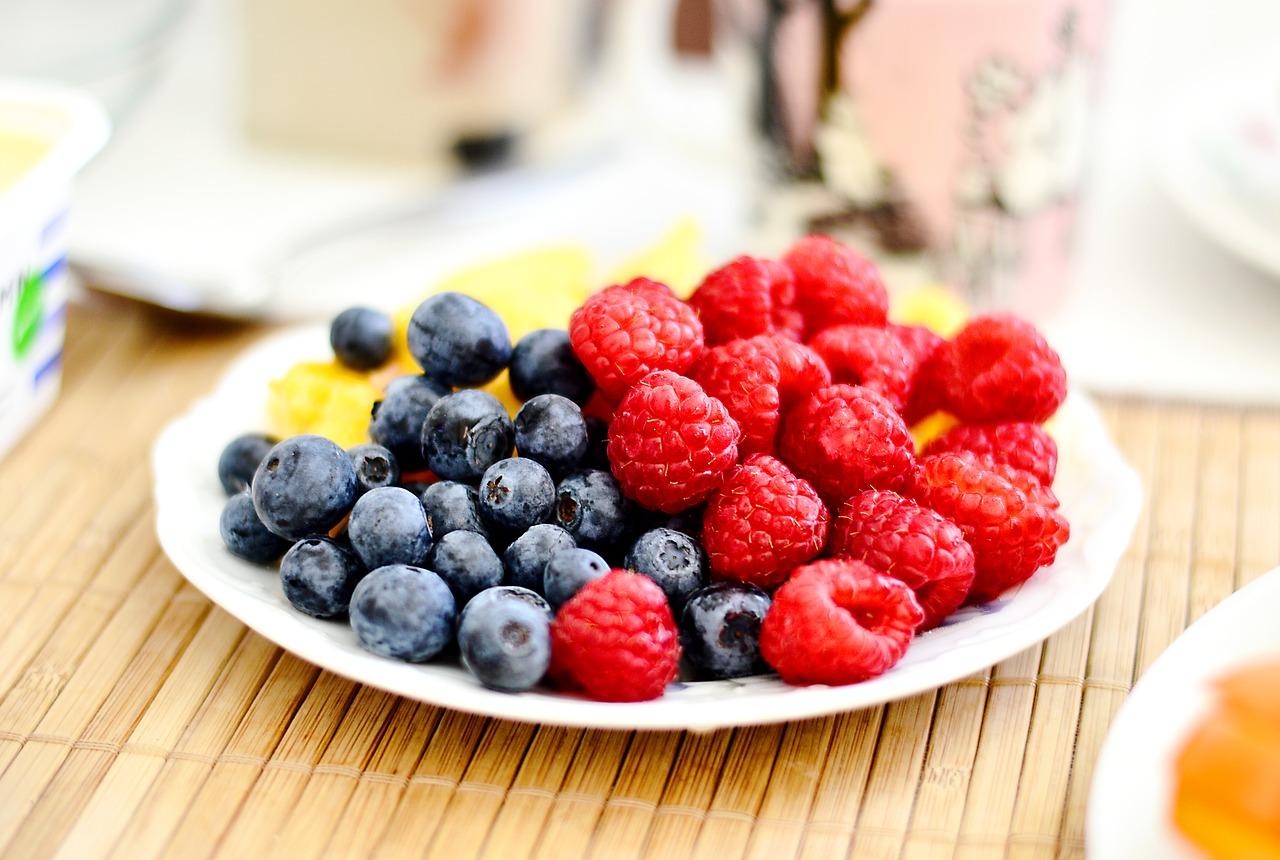
But wait, there's more. A separate analysis from the famous Framingham Heart Study found that adults over 60 who stuck to a brain-focused version of the Mediterranean diet — called the MIND diet (Mediterranean-DASH Intervention for Neurodegenerative Delay) — had more grey matter in their brains and less overall brain shrinkage over time.³ Berries and poultry stood out as especially protective.
And the dementia risk reduction? Across 12 major observational studies, people following Mediterranean-style diets saw a 15-22% lower risk of cognitive decline and dementia.⁴
Your actionable takeaway:
If you're over 40, here's something your doctor might not have mentioned yet: the standard protein recommendation of 0.8 grams per kilogram of body weight per day was designed to prevent deficiency — not to optimize health. And for aging muscles, it's almost certainly not enough.

A 2026 review published in Food & Medicine Homology confirmed that older adults need 1.0–1.3 grams of protein per kilogram of body weight daily to maintain muscle mass and function.⁵ For a 70 kg (154 lb) person, that's 70–91 grams of protein — about 25–35 grams per meal.
Why does this matter so much? After age 30, we lose roughly 3-8% of our muscle mass per decade, and the rate accelerates after 60.⁶ This age-related muscle loss — called sarcopenia — is a major predictor of frailty, falls, and loss of independence. But here's the good news: it's largely preventable.
The trick isn't just how much protein you eat, but when. Research from the Journals of Gerontology suggests that spreading protein evenly across meals — rather than loading it all at dinner — is more effective for muscle protein synthesis.⁷
And no, you don't need to turn into a bodybuilder chugging shakes. The Mediterranean diet naturally provides high-quality protein through fish, poultry, legumes, nuts, and yogurt — all without the saturated fat baggage of processed red meat.
Your actionable takeaway:
If protein is having a moment, fiber is having a movement. In 2026, "fiber-maxxing" has gone from a TikTok trend among Gen Z to a full-blown public health priority — and for excellent reason.

Here's the sobering stat: the average American consumes just 16–17 grams of fiber per day, roughly half of the recommended 25–35 grams.⁸ That's a 50% shortfall affecting everything from digestion to heart health to brain function.
Meanwhile, a national poll found that 64% of Americans are now intentionally trying to add more fiber to their diets.⁹ The food industry has noticed — fiber-fortified products are exploding on shelves, and the "Food as Medicine" movement is championing whole, fiber-rich foods as first-line health interventions.
Why does fiber matter so much? Let's count the ways:
The MIND diet already has fiber built in — leafy greens, whole grains, beans, berries, and nuts are all fiber superstars. If you're eating the Mediterranean way, you're naturally fiber-maxxing without even counting grams.
Your actionable takeaway:
We can't talk about what to eat without talking about what to stop eating. And in 2026, the evidence against ultra-processed foods (UPFs) has become impossible to ignore.
A major European Society of Cardiology report found that adults with the highest UPF consumption face up to a 19% higher risk of heart disease, a 13% higher risk of atrial fibrillation, and up to a 65% increased risk of cardiovascular death.¹⁰
Another 2026 study using national health data pegged the heart attack and stroke risk at 47% higher for the highest UPF consumers — and the risk held even after adjusting for age, smoking, and income.¹¹
What counts as ultra-processed? Think: packaged snacks, sugary cereals, soda, instant noodles, industrial breads, reconstituted meat products, and anything with a long ingredient list full of terms you can't pronounce. These foods are engineered for shelf stability and hyper-palatability — not for your mitochondria.
The Mediterranean and MIND diets naturally push UPFs off your plate. When you're cooking with olive oil, eating whole fruits instead of fruit-flavored snacks, and choosing actual fish over fish sticks, you're automatically avoiding the worst offenders.
Your actionable takeaway:
<audio controls src="https://cdn.builder2.com/w/t/eat-to-thrive-tts-key-takeaways/job_67327a08-a2f.mp3"> Your browser does not support the audio element. </audio>
Vicinanza R, Cammisotto V, Wan J, et al. — "Mediterranean diet adherence is associated with mitochondrial microproteins Humanin and SHMOOSE; potential role of the Humanin–Nox2 interaction in cardioprotection." Frontiers in Nutrition, 2026. https://doi.org/10.3389/fnut.2025.1727012
University of Southern California — "Mediterranean diet may activate tiny proteins that protect the heart and brain." ScienceDaily, July 17, 2026. https://www.sciencedaily.com/releases/2026/07/260716023605.htm
Hogervorst E, Loughborough University — "This Mediterranean-style diet could keep your brain sharp as you age — new study." March 2026. https://www.lboro.ac.uk/news-events/news/2026/march/mediterranean%E2%80%91style-diet-brain-health/
PMC / National Library of Medicine — "Association between Mediterranean diet and dementia and Alzheimer disease: a systematic review with meta-analysis." RR = 0.79 (95% CI 0.70–0.90). https://pmc.ncbi.nlm.nih.gov/articles/PMC10959819/
Food & Medicine Homology (SciOpen) — "Current progress in protein requirement changes and associated factors in the aging population." 2026. https://www.sciopen.com/article/10.26599/FMH.2026.9420136
Journals of Gerontology, Oxford Academic — "Nutritional Interventions: Dietary Protein Needs and Influences on Skeletal Muscle of Older Adults." https://academic.oup.com/biomedgerontology/article/78/Supplement_1/67/7199271
PMC / National Library of Medicine — "Protein Source and Muscle Health in Older Adults: A Literature Review." https://pmc.ncbi.nlm.nih.gov/articles/PMC7996767/
NCBI StatPearls — "The Role of Dietary Fiber in Health Promotion and Disease Prevention." Americans average 16-17g/day. https://www.ncbi.nlm.nih.gov/books/NBK559033/
Finklea K, HopeHealth — "Fiber Focus: A Hot and Healthy Trend in 2026!" Citing 64% of Americans intentionally increasing fiber. https://www.hope-health.org/2026/03/16/fiber-focus-a-hot-and-healthy-trend-in-2026/
European Society of Cardiology — "Ultra-processed foods, lifestyle management, and cardiovascular diseases: A clinical consensus statement." European Heart Journal, 2026. https://academic.oup.com/eurheartj/advance-article/doi/10.1093/eurheartj/ehag226/8661792
Nature / npj Metabolic Health and Disease — "Ultra-processed foods and cardiometabolic risk: from evidence to policy." 2026. https://www.nature.com/articles/s44324-026-00116-2
> All claims fact-checked against Gold-tier (CDC/NIH/WHO/PubMed/Nature/The Lancet) and Silver-tier (Mayo Clinic/Harvard Health/Cleveland Clinic) authoritative sources. Last verified: July 29, 2026.
Here's the beautiful thing about the Mediterranean and MIND diets: they're not about restriction. They're about abundance — abundant flavor, abundant variety, and abundant health. Your brain, your heart, and your muscles are all placing their orders. All you have to do is cook. 🍽️✨